Build Your Komodo Day Trip
Tell us how you want to do the day. We reply on WhatsApp with honest options and current price ranges from our vetted operator partner — no obligation.
Free, no obligation. We publish the guide; a vetted operator partner runs the boats.
Pick Your Boat First
The boat decides your day — how many stops you reach, how rough the crossing feels, and what you pay. Four honest guides:
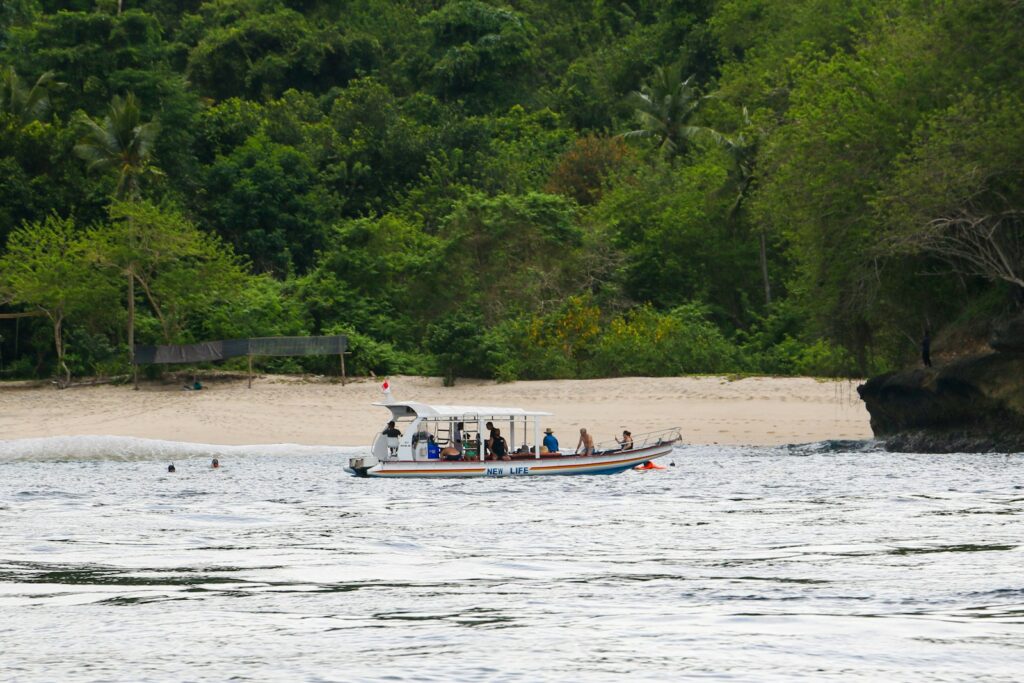
Shared Speedboat
Read the guide →
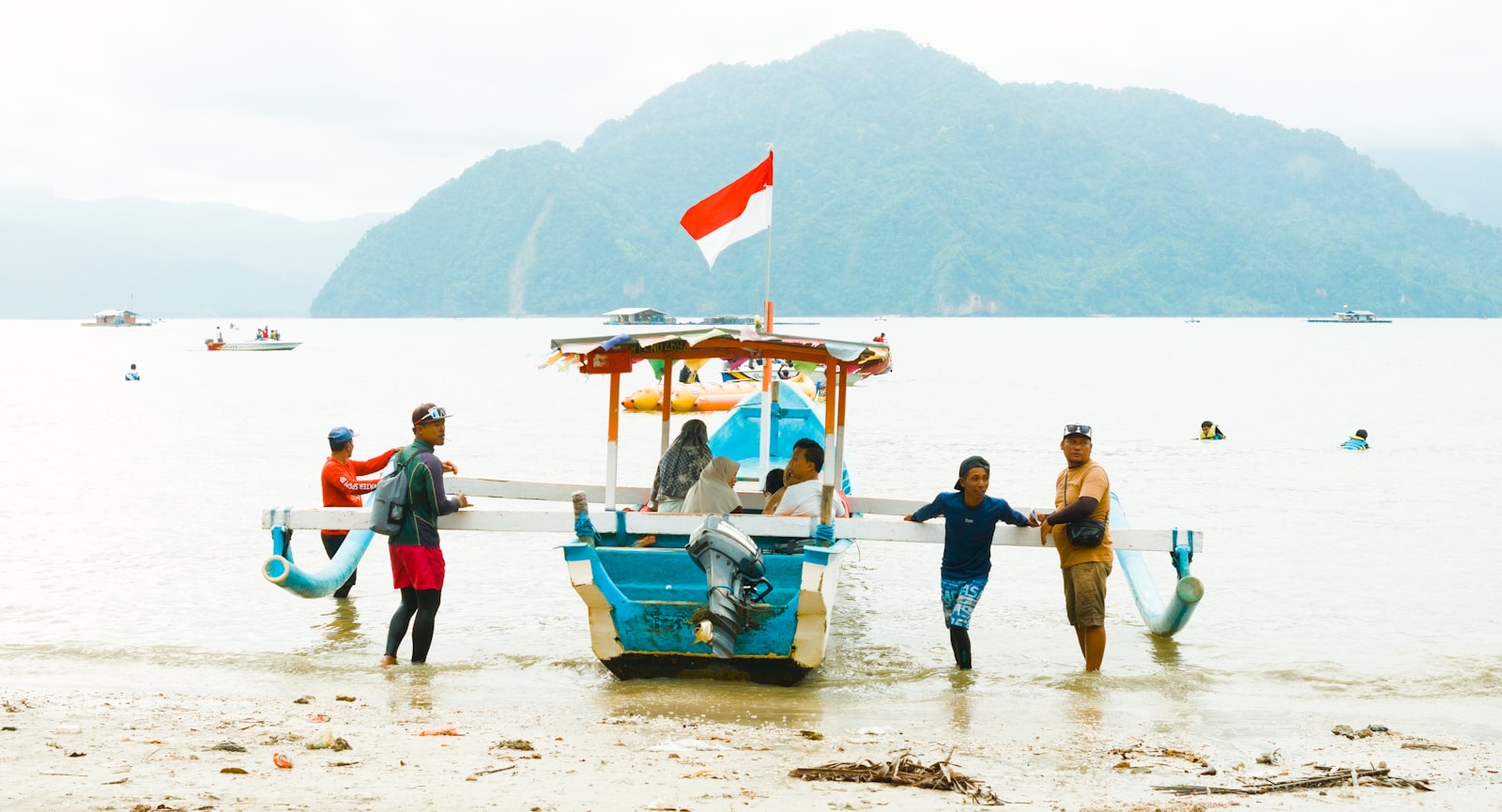
Private Charter
Read the guide →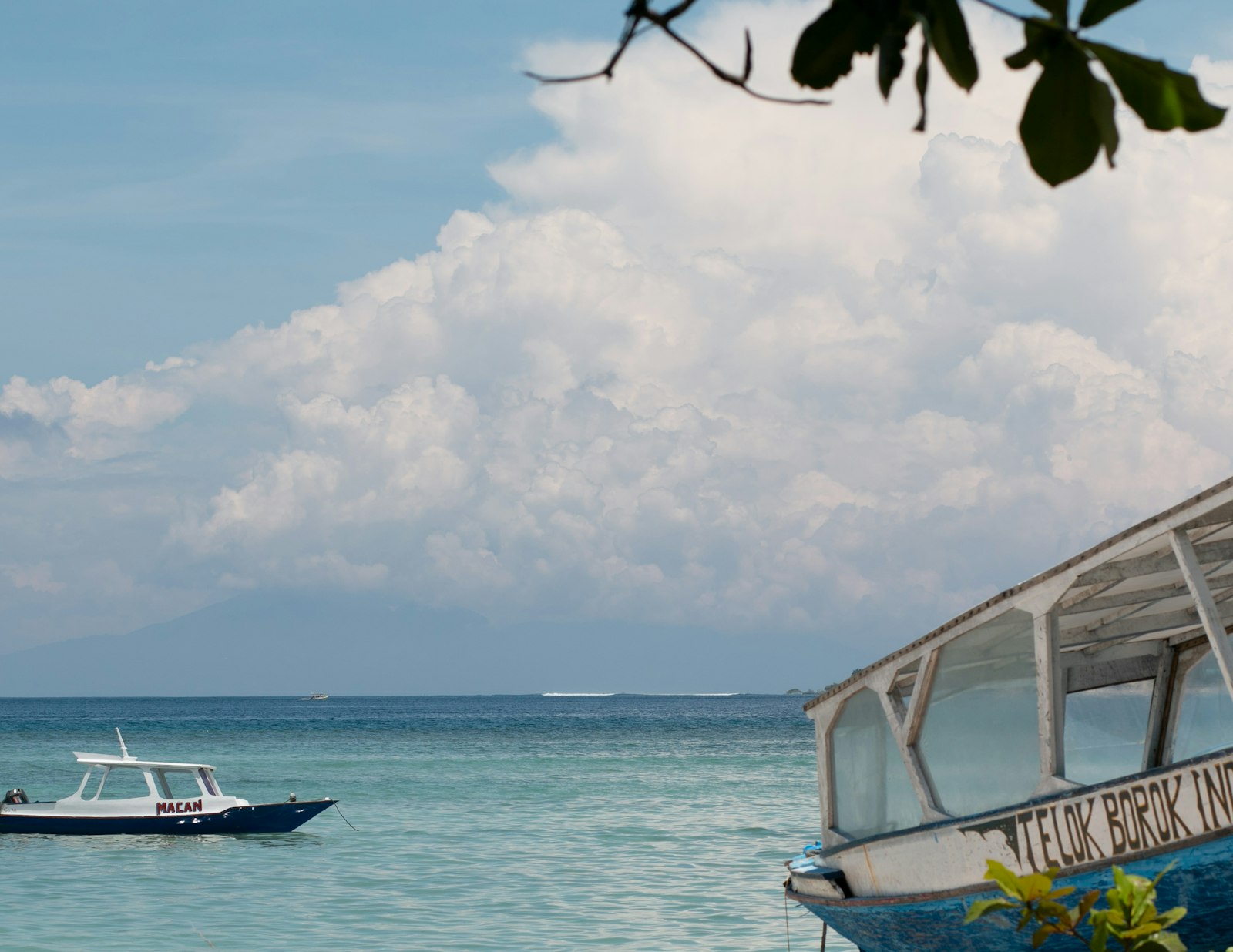
Slow Boat
Read the guide →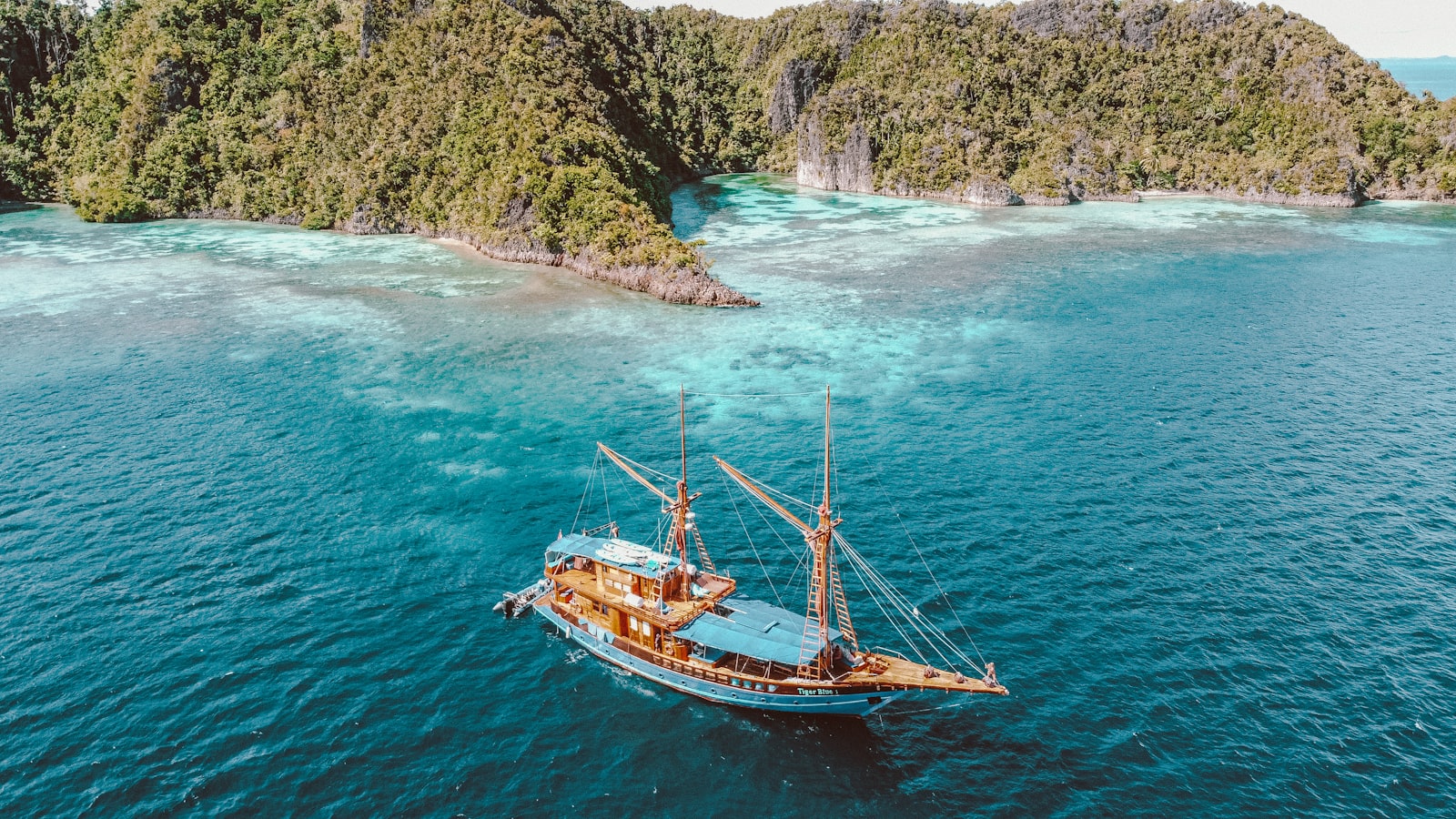
Phinisi Day Cruise
Read the guide →Know Before You Book
The numbers and rules nobody itemizes — dated, sourced, and flagged where they are still moving.
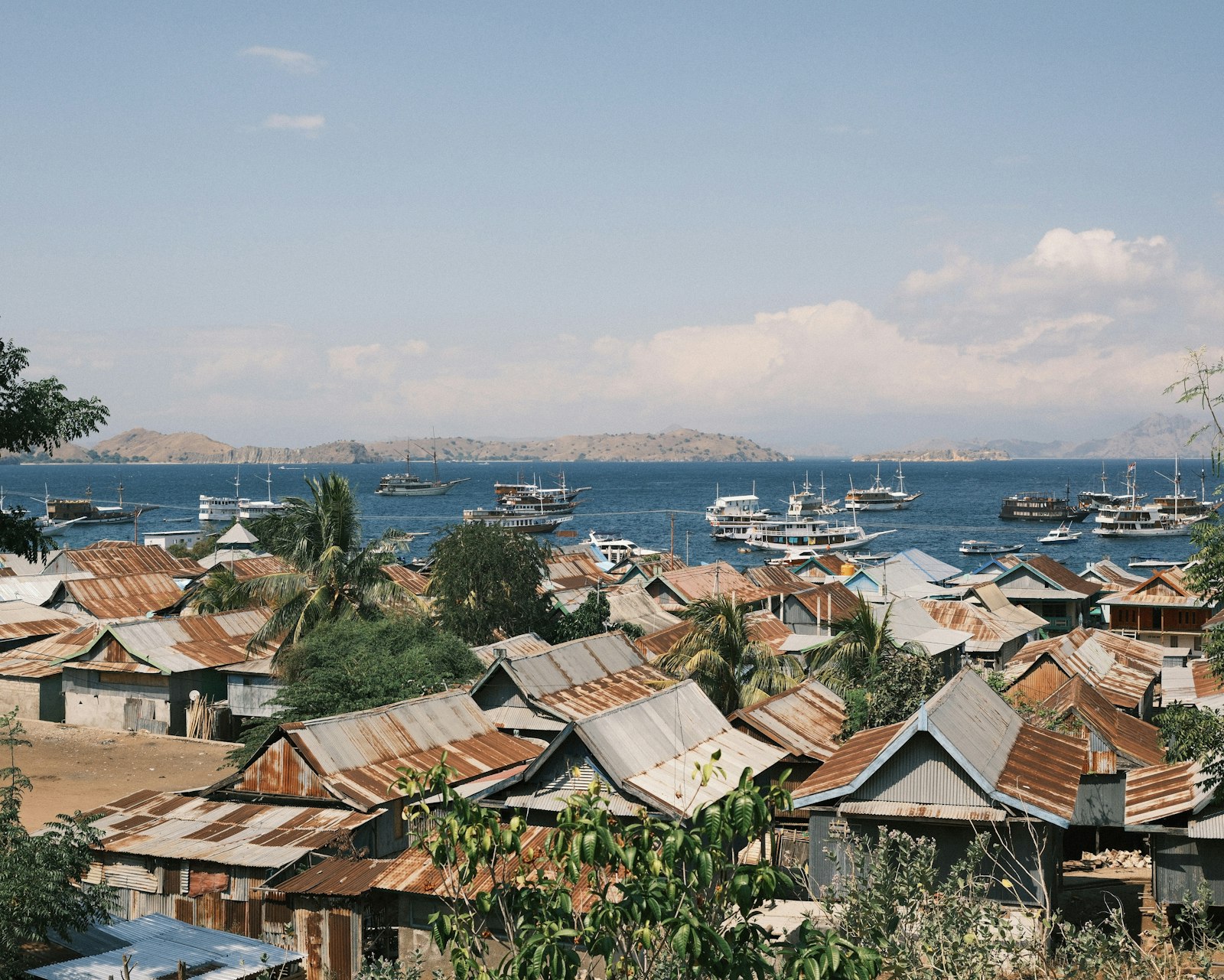
Prices & Total Cost
See the math →
Park Fees 2026
Decode the fees →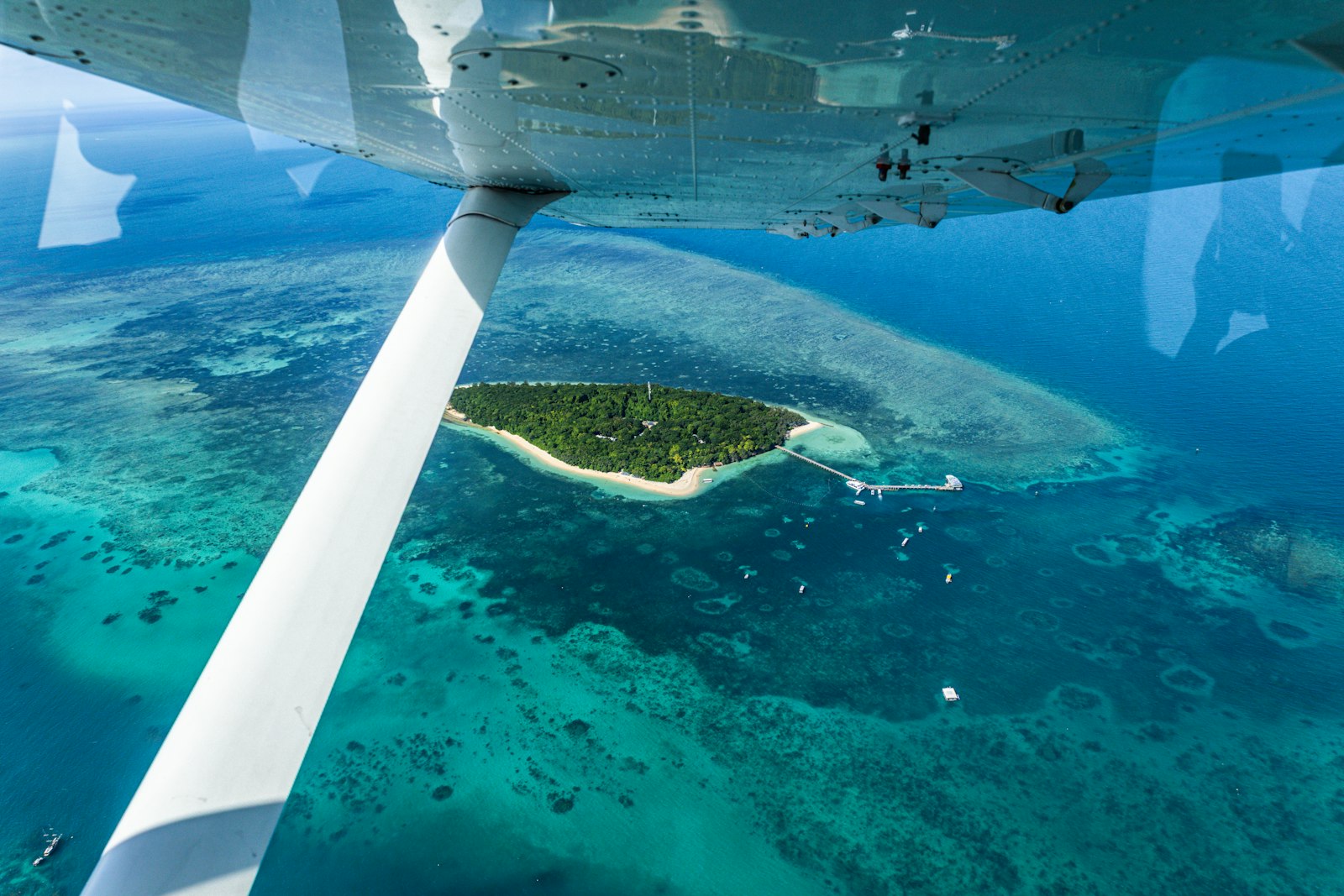
From Bali, Honestly
Read the truth →
Safety
Read first →Why Komodo Island Day Trip
Independent
We are not a tour operator and not the official park site. Operators cannot pay to change what we publish.
Real Price Ranges
Prices here are dated ranges across boat classes — not one operator’s list price with a fake discount.
Fees, Itemized
Entrance, ranger, trekking, and activity fees broken out and flagged when the regulation is still moving.
Vetted Operator
When you are ready to book, we connect you with a vetted operator partner — with full referral disclosure.
From Reading to the Boat Ramp
How planning with us works.
Tell us how you want the day
Boat style, dates, group, what matters most — dragons and Padar, snorkeling and mantas, or all of it.
Get honest options
Current price ranges, what is included and what is cash-on-the-boat, and the route that fits your sea legs.
Book with a vetted operator
We hand you to our operator partner to confirm the boat and date. We stay the guide; they run the day.
A Komodo Island day trip is a single-day boat excursion from Labuan Bajo that loops through Komodo National Park — visiting Padar Island’s ridge viewpoint, at least one pink-sand beach, the dragon-inhabited forests of Komodo Island (Loh Liang), and two or three snorkelling stops including Manta Point and the Taka Makassar sandbar. The classic route runs six stops in roughly ten to twelve hours door-to-door, departing the Labuan Bajo waterfront between 06:00 and 07:00 and returning by 16:30–18:00. It is the most common way first-time visitors see the park in a single day — and, if you choose the right boat, it just about fits.
This guide explains exactly what the day covers, how the four main boat types compare, what you will pay and what gets charged separately in cash on the water, and where the honest limits of a single day actually lie. We are an independent planning guide — not a tour operator and not the official park authority (that is BTNK, Balai Taman Nasional Komodo). We publish what we know and flag what is uncertain. If you use our free planning help and then proceed through our vetted partner operator, they may pay us a referral fee at no extra cost to you. Nothing about what we publish changes based on that arrangement.
What a Komodo Island Day Trip Actually Covers
Most people book a trip labelled “6-spot” or “full-day speedboat tour” without knowing which six spots that means or how long each one gets. Here is the standard route, in the order most operators run it, with honest time allocations.
The Classic 6-Stop Route
Boats load at Kampung Ujung port (some operators run hotel pickup from 05:30). You are on the water by 06:00–07:00. The first leg to Padar Island takes roughly an hour at speedboat pace — the sea is typically calmer this early, which matters for Padar’s exposed crossing.
- Padar Island viewpoint — roughly 75 minutes on site. The climb is commonly described as around 800 steps with 180–200 metres of elevation gain (no official count exists; treat those figures as estimates). At a moderate pace you reach the summit in 30–45 minutes. The ridge gives the panoramic view over three bays with distinctly coloured sand that makes every Komodo social-media post. A licensed ranger leads this group. Early arrival matters: the summit crowds fast after 08:30.
- Pink Beach (Pantai Merah, Komodo Island) — about 50–60 minutes. The pink tint comes from broken fragments of Homotrema rubrum, a red foraminifera that mixes with white coral sand. Colouration varies by light and water clarity; some visitors find it subtly pink, others vivid. Currents here are real — a strong tidal pull runs along the beach, and even confident swimmers have been caught off-guard. Snorkelling is included in your base park ticket; no separate snorkel fee applies.
- Komodo Island, Loh Liang — roughly 80 minutes on the island. Day-trippers almost universally take the short trek (estimated 45–60 minutes, approximately 1–2 km, though park distances are not officially published — durations are the reliable figure). The komodo dragon (Varanus komodoensis) is the world’s largest living lizard, and sightings on the short route are consistent but not guaranteed — the animals are wild and move around. A licensed ranger is mandatory at Loh Liang; the fee applies per group of up to five people. The medium trek runs roughly 90 minutes and the long “adventure” route up to three hours — both are available but rarely taken on a day trip given the schedule.
- Lunch on board — most shared speedboats serve a simple boxed meal between the Komodo stop and the afternoon sites. Quality ranges from adequate to surprisingly good depending on the operator; do not expect a restaurant experience.
- Taka Makassar sandbar — roughly 45 minutes. A narrow white bar that floods and emerges with the tide. The shallow turquoise water around it is excellent for a swim or a snorkel in calm conditions. This stop sits about 30 minutes from Loh Liang at speedboat speed.
- Manta Point (Karang Makassar) — approximately 30 minutes in the water. The standard approach is a drift snorkel: the boat drops you slightly up-current above the cleaning station and you float over it. Manta rays here are reef mantas (Mobula alfredi), not oceanic mantas, and sightings are possible year-round — but they are wildlife, not a fixture. Do not expect a guarantee. Manta Point sits only about five minutes by boat from Taka Makassar; the two are typically paired in the afternoon.
- Final stop: Siaba Besar, Kelor Island, or Kanawa Island — roughly 30 minutes of snorkelling at whichever site the operator selects as the closer return option. Siaba Besar is known for green sea turtles. Kelor has a short hill walk with good views. Kanawa is calm and suits weaker swimmers. Which of these you visit depends on sea state and operator preference on the day.
The boat is back at Labuan Bajo between 16:30 and 18:00. Total door-to-door time, including hotel pickup: 10–12 hours.
Boat Types: Which One Is Right for You
This is the decision that shapes the entire experience — not which tour company you book with, but what category of vessel you are on. Four types operate in this market, and they are not equivalent.
| Boat type | Typical price (pp, park fees excluded) | Stops possible in one day | Crossing time to Padar | Best for |
|---|---|---|---|---|
| Shared speedboat (open trip) | IDR 1.2–1.8M (~USD 75–120) last verified June 2026 — confirm at booking | 5–6 stops | ~1 hour | Solo travellers, couples, anyone on a set budget who wants the full route |
| Private speedboat charter | IDR 8–18M per boat (~USD 500–1,200) depending on size; indicative, quote-on-request market last verified June 2026 | 5–6 stops; itinerary flexible | ~1 hour | Couples, small families, groups wanting a custom schedule or later departure |
| Slow/budget wooden boat | IDR 500K–1.2M pp (~USD 30–80) last verified June 2026 — confirm at booking | 2–3 stops only | 3–4.5 hours one way | Travellers with more time than money, or those who want a more relaxed, ocean-immersive pace |
| Phinisi / luxury day cruise | Shared IDR 2–5M pp; private charter IDR 25–70M+ per boat last verified June 2026 — confirm with operator | 4–6 stops depending on vessel speed | Variable | Honeymoons, groups wanting sun-deck space, serious divers, those for whom comfort is the priority |
The table above addresses the most common misconception in this market: a slow wooden boat cannot realistically complete the full six-stop loop in one day. The maths do not work. Labuan Bajo to Padar is roughly 45–50 km (24–27 nautical miles). A slow wooden boat cruises at 6–8 knots, meaning a one-way trip to Padar takes three to four and a half hours. Even with a pre-dawn departure you run out of daylight before reaching the far stops. Honest slow-boat day trips cover two or three destinations — typically Kelor Island (close to Labuan Bajo, ~8–10 km), Rinca Island (Loh Buaya, ~25–30 km), and one snorkel site. That is a perfectly good trip; it is just not the same six-stop loop that shared speedboat marketing describes.
For detailed specs on each boat type — seat counts, AC, toilet, deck space, seasickness risk, and the private-versus-shared cost calculation — see our dedicated boat comparison pages.
What You Will Pay: Tour Price vs Park Fees vs Cash on the Day
Pricing in this market has two layers, and almost every booking dispute comes from not understanding which layer the quoted price covers.
The Tour Price
Shared speedboat tours are priced per person and typically include: the boat and crew, fuel, a simple lunch and water, basic snorkel mask and snorkel (fins are inconsistent — ask before booking), an onboard guide, and often hotel pickup from central Labuan Bajo. Park fees are almost always excluded and paid separately in cash on the day.
Ranges as of June 2026 (confirm at booking — these move with season and operator):
- Shared speedboat, 6-stop: IDR 1,200,000–1,800,000 per person. Low season tends toward the IDR 1.2–1.5M band; peak season (June–August, Christmas/New Year) edges toward IDR 1.5–1.8M. Some operators apply explicit high-season surcharges.
- Private speedboat charter: IDR 8–12M for a small boat (around 6 seats); IDR 12–18M for a medium boat (10–15 seats); IDR 18–25M and above for larger or premium vessels. These are indicative; the private charter market is quote-on-request. Peak season adds roughly 10–30%.
- Slow/budget boat, shared: IDR 500,000–1,200,000 per person.
- Phinisi day cruise, shared: IDR 2,000,000–5,000,000 per person. Private day charter: IDR 25,000,000–70,000,000 and above, highly brand-dependent.
OTA platforms (GetYourGuide, Viator, Klook) cluster shared speedboat day trips at roughly USD 75–120, which aligns with the IDR ranges above at current exchange rates.
Park Fees: What Gets Charged Separately in Cash
Park fees are set as national non-tax state revenue (PNBP) by the park authority BTNK and are paid separately — almost always in cash, collected on the boat or at the pier. Budget IDR 300,000–500,000 per person all-in for a standard 6-stop day. Here is how that figure breaks down:
- Entrance ticket (foreigners)
- IDR 150,000–250,000 per person per day. Sources are genuinely split on whether the higher rate applies only on Sundays and public holidays or every day — confirm on the day of your trip. Last verified June 2026.
- Entrance ticket (Indonesian nationals)
- IDR 50,000 weekday / IDR 75,000 weekend-holiday. Widely reported; treat as indicative. Last verified June 2026.
- Ranger/guide fee at trek sites
- IDR 200,000 per group of up to 5 people at Komodo (Loh Liang) and Rinca (Loh Buaya). IDR 150,000 per group of up to 5 at Padar. These stack: a Padar plus Komodo day means two separate ranger fees, one at each site.
- Snorkelling surcharge
- None. The base entrance ticket covers snorkelling. No separate snorkel fee.
- Diving surcharge
- IDR 25,000 per diver per day (three sources agree; one outlier cites IDR 100,000 — flag this with your operator if you plan to dive).
- Harbour/port fee
- Approximately IDR 25,000 per person per day. Usually bundled by the operator rather than charged separately at the pier.
- Drone
- Effectively off-limits for casual visitors. Aerial filming requires a SIMAKSI permit plus a filming permit via BTNK. Two operator sources report a fee of roughly IDR 2,000,000 per unit per day — treat that as “reported, confirm with BTNK well in advance.”
One figure worth flagging: the IDR 3,750,000 annual “conservation membership” fee announced in 2022 by NTT provincial government was officially cancelled and never implemented. It is not in force in 2025–2026. If anyone at a port quotes you that figure, do not pay it.
For a full breakdown of every fee line, including children’s pricing norms and weekday-versus-holiday surcharge details, see our dedicated park fees page.
The 2026 Visitor Cap and SiORA Booking System
This is the most important operational change in recent years, and it affects how you book. From approximately March–April 2026, Komodo National Park enforces a cap of 1,000 visitors per day across the park. The Ministry of Forestry announced the limit; multiple operator sources confirm it is in force as of mid-2026, initially as a trial that has moved toward consistent enforcement. Verify the current status before you travel, as this is new and the situation may evolve.
In practice, the booking system (SiORA — Sistem Informasi Online Reservasi Wisata Alam) is handled by tour operators on behalf of their guests. You should not need to navigate it directly. What this means for your planning is straightforward: spontaneous walk-in bookings are out. The tour operators themselves recommend arriving in Labuan Bajo the day before your planned park visit — both to lock in your spot and to avoid the chaos of a same-morning scramble at the port. During peak season (June–August, Christmas/New Year), booking two weeks or more ahead is reasonable. One secondary source mentions a sub-quota of 50 visitors per day specifically for Padar; we cannot corroborate that from a second source, but if Padar is the top priority for you, mention it when booking.
Route Logic: Why the Order Matters
The classic sequence — Padar first, then Pink Beach, then Komodo, then the afternoon snorkel stops — is not arbitrary. It is the result of years of operators working with sea conditions, light, and wildlife behaviour.
Padar at 07:30–08:30 catches the best light for photography and before the heat of the day sets into the climb. By 09:00 the summit is warm; by 10:00 it is hot. The hike is not technical but 800-odd steps in full sun is a different experience from 800 steps in early morning shade. Dragons at Loh Liang are more active in the morning — they bask and move; midday heat sends them into shade, where sightings are less reliable. The afternoon slots go to the snorkel sites where timing is less light-dependent.
Operators adjust this order based on sea state. The stretch between Padar and Pink Beach can get choppy in the late morning as wind builds; running Padar first means the roughest leg is early, when you are fresh. If you book a private charter and want to swap the order, understand that the captain’s call on sea conditions overrides any stated preference.
Rinca vs Komodo: Which Dragon Island for a Day Trip?
Most shared speedboat day trips go to Komodo Island (Loh Liang), not Rinca (Loh Buaya). Rinca is closer to Labuan Bajo — roughly 25–30 km versus Komodo’s 60–65 km — and is sometimes included instead on shorter routes or slow-boat itineraries. The dragon viewing at both sites is genuine; the animals are wild and populations at both are healthy.
The honest difference post-2021 renovation: Rinca’s visitor infrastructure is now heavily centred on an elevated boardwalk complex (the “Jurassic Park” redesign). The viewing experience is managed and structured. Komodo’s Loh Liang still offers a more open walking trail through dryer savanna-forest terrain. If you want something that feels more like a nature encounter than a wildlife park, Komodo is the better call for most visitors. If you have limited time or are prioritising a shorter overall journey, Rinca covers the core dragon experience in less transit time.
Practical Preparation
What to Bring
The Padar climb deserves closed shoes, not sandals. Flip-flops on those steps are a slip risk, especially on the descent. Sun protection matters more than most visitors expect — the trail has limited shade and the equatorial UV is serious. A buff or hat, reef-safe sunscreen (operators commonly enforce no single-use plastic or chemical sunscreen on snorkel sites — bring your own mineral-based option), a refillable water bottle, and a small dry bag for phone and camera are the practical essentials.
Cash in IDR. There are no ATMs at any park site and no card readers. Bring enough for the all-in park fee estimate (IDR 300,000–500,000 per person) plus a buffer for the ranger fees if your group is split across two groups of five.
Seasickness
The Flores Sea in June–August can run choppy, particularly in the afternoon when trade winds pick up. Speedboats feel the chop more acutely than slow wooden boats — the hull design means you are bouncing over swells rather than rolling through them. If you are prone to motion sickness, take medication at least two hours before departure, not on the dock. The crossing back from Komodo in the late afternoon is where most people feel it; plan for this. Sitting in the middle of the boat and looking at the horizon helps. The bow is the worst place to be in rough water.
Dragon Safety Rules
Komodo dragons are apex predators. The ranger protocol exists for good reasons. Stay grouped. Follow the ranger on a single trail. Keep a minimum distance of 3–5 metres. Do not crouch down near a dragon, do not run, do not make sudden movements, and carry no open food on the trek. Rangers carry forked sticks as deterrents, not as weapons — the sticks are used to redirect a dragon, not to provoke one.
Women are commonly asked to inform the ranger if they are menstruating; this is an operational safety advisory based on guide practice around scent sensitivity, not a verified written regulation banning menstruating women from visiting. The request comes from rangers and is worth taking seriously. Fatal dragon attacks on tourists are extremely rare; one was reported in 2009 and there is a widely reported 2017 bite incident. Official year-by-year attack statistics are not publicly available, so any source quoting precise numbers is estimating. The relevant point is that the ranger protocol has a strong track record — follow it.
Manta Point: What to Expect
Manta sightings at Karang Makassar are possible year-round but are not guaranteed. Operator lore suggests larger aggregations during the plankton-rich wet months (roughly December–February), though this is based on guide experience rather than published survey data. June to August is peak tourist season but not necessarily peak manta season. If seeing mantas is the primary reason you are doing this trip, flag that honestly with your operator when booking — a good one will tell you what conditions have been like recently.
Etiquette matters: no touching (the mucus layer is their immune system), stay roughly 3 metres back, do not chase or attempt to ride, approach from the side rather than above, and do not hover over the cleaning station. These are globally established best-practice guidelines. Whether they are codified as park law is not verified; treat them as the minimum standard any responsible operator enforces.
Komodo Day Trip from Bali: The Honest Feasibility
There is a lot of demand for information on doing Komodo from Bali as a day trip. The straightforward answer: there is no direct boat from Bali to Komodo. The park sits roughly 500 km east of Bali. You fly, and the flight takes about 1 hour 15 minutes from Denpasar (DPS) to Labuan Bajo (LBJ, Komodo Airport).
Carriers confirmed on this route as of 2026: Batik Air, Indonesia AirAsia, Garuda Indonesia, Lion Air, and Wings Air. Frequency varies — roughly five to seven flights per day in dry/peak season, fewer in the wet-season trough. Fares are volatile; expect IDR 700,000–1,500,000 one-way for low-cost carriers, IDR 1,200,000–2,500,000 for Garuda/Batik. Last verified June 2026 — check carriers directly for current schedules and prices.
The problem with a same-day Bali trip is timing. The earliest departure from Denpasar is around 07:00, arriving in Labuan Bajo around 08:10–08:30. Day-trip boats leave the Labuan Bajo waterfront at 06:00–07:00. You cannot make that window. A very determined traveller who has pre-arranged a private speedboat and accepts high delay risk could potentially catch a late-departing private charter — but this is not the shared open-trip product, it is significantly more expensive, and one delayed flight wipes the entire plan.
The operators who know this route recommend the same thing: fly into Labuan Bajo the afternoon or evening before. The airport to the harbour is roughly 10 minutes. Sleep in Labuan Bajo, do the park trip the following day, and fly back that evening or the next morning. With the 2026 visitor cap now requiring advance booking, spontaneous same-day arrivals are not viable regardless of flight timing. Plan two nights minimum, and you will actually enjoy the trip rather than sprint through it.
If you are planning the logistics from Bali and want to work through timing, flights, and boat options together, plan your trip with us — we can check availability with our partner operator and help you structure the Bali-to-Labuan Bajo leg so nothing gets wasted.
Sea Conditions and the Best Time to Go
Komodo National Park sits in the dry-season corridor of eastern Indonesia. The broad pattern is reliable: dry from April to November, wet from December to March with the heaviest rainfall and roughest seas in January and February. Peak tourist season runs June to August and again over Christmas and New Year. Shoulder sweet spots are April to May and September to October — seas are calmer, crowds are thinner, and prices lean toward the lower end of the seasonal range.
June 2026, when this guide was written and verified, is peak season. Boats are running full; the 1,000-visitor-per-day cap is under pressure. Book early.
The harbour master (syahbandar) in Labuan Bajo has authority to close the port to small craft in dangerous sea conditions. This does happen, typically in the wet season or when a weather system moves through. There is no published schedule of past closures, and reputable operators will offer to rebook or refund if the port closes on your day — ask about their weather policy before paying a deposit.
How to Choose and Book: A Decision Framework
The Labuan Bajo tour market has a thick reseller layer. Many “tour agents” in town — and some OTA listings — are reselling berths on the same boats, often at 20–40% above what you would pay booking directly with the boat operator. A USD 100 product listed at USD 80 as a “discount” is still a marked-up resale. This is not always a problem — a good agent who handles logistics, manages the SiORA booking, and stands behind their service earns their margin. But the gap between the cheapest booking and the most expensive booking for identical seats on the same boat is real.
What actually varies between operators at the same price tier:
- The number of passengers on board (20-seat vs 30-seat vs 40-seat fast boats — fewer seats means more deck space and a calmer boarding experience at each stop)
- Whether fins are included (many boats provide mask and snorkel but not fins)
- Lunch quality and whether dietary restrictions are accommodated with advance notice
- Whether the guide speaks confident English (relevant for wildlife commentary at Loh Liang)
- Cancellation and refund policy — standard is full refund seven or more days before, 50% within five days, and varying terms within 48 hours; compare this before paying
- Whether central Labuan Bajo hotel pickup is genuinely included or an add-on
Ask all of these questions before confirming. A reputable operator answers them directly. One that deflects or gives vague answers is worth skipping.
Our approach: we publish ranges and comparisons, and if you want to move to a booking, we route you to a single vetted partner operator who has been checked for honest inclusions and transparent pricing. If you book through them, they may pay us a referral fee. The price you pay is the same either way.
Ready to check dates and availability? Start planning your trip here, or reach us directly on WhatsApp for a quick check — practical questions answered without pressure.
Key Park Rules at a Glance
- Stay on marked trails and with the ranger at dragon sites
- No touching coral — snorkel with buoyancy control; no fin-kicks into reef
- No removing coral, shells, sand, rocks, or animal parts; boats can be inspected on departure
- No fishing for tourists anywhere in the park
- No smoking on trails or savanna (fire risk in dry grass); designated boat areas only
- Expect operators to enforce no single-use plastic; bring a refillable bottle
- Drones require advance permits and a reported fee of roughly IDR 2M per day — confirm with BTNK before your trip, not on the morning
Frequently Asked Questions
Is one day enough for Komodo Island?
For a first visit with a speedboat covering Padar, Pink Beach, Komodo dragons, and snorkelling at Manta Point, yes — the 6-stop day trip is a complete experience. You will not feel short-changed. What you miss is the slower pace, the ability to revisit a site or extend a trek, and the evening and early-morning light that liveaboard guests get. If the Padar sunrise, deep dives, or a proper medium/long dragon trek are priorities, a two-day-one-night trip gives you significantly more room. For most visitors with limited time, the day trip delivers the core of what Komodo offers.
What is included in the Komodo day trip price — and what is not?
Shared speedboat tours typically include the boat, crew, fuel, simple lunch and water, a basic snorkel mask and snorkel, and an onboard guide. Hotel pickup from central Labuan Bajo is usually included but confirm this when booking. What is almost never included: all park entrance fees (paid cash on the day, budget IDR 300,000–500,000 per person all-in), ranger fees at each trek site, fins, towels on budget boats, travel insurance, tips, and professional photography. Diving costs extra. Always ask specifically what is excluded before you commit.
How rough are the seas, and will I get seasick?
It depends entirely on timing. April to November is generally calm; December to February can be rough enough to cancel trips. June to August is peak tourist season and usually manageable, though afternoon seas build as trade winds pick up. Speedboats feel chop more sharply than slow wooden boats — the hull design means you bounce. If you are susceptible to motion sickness, take proven medication at least two hours before departure. Sit in the middle of the boat, not the bow. The return crossing in the late afternoon is typically the roughest leg of the day.
Can you actually do a Komodo day trip from Bali?
Not as a true same-day return. There is no boat from Bali to Komodo — you fly from Denpasar (DPS) to Labuan Bajo (LBJ), roughly 1 hour 15 minutes. The earliest arrivals land around 08:10–08:30, and day-trip boats leave the harbour at 06:00–07:00. You cannot make the boat window on a same-day flight. The practical arrangement is to fly into Labuan Bajo the afternoon before, stay overnight, do the park trip the next day, and fly back that evening. With the 2026 visitor cap requiring advance booking, this is now the only reliably functional approach.
What are the chances of seeing komodo dragons on a day trip?
Sightings on the short trek at Loh Liang are consistent. The dragons are wild and their exact location varies day to day, but the Komodo Island population is healthy and the short trail passes through the areas they regularly frequent. Guides at the site are experienced at locating them. Morning visits are better than midday — dragons are more active when temperatures are lower. “Seeing at least one komodo dragon” is a realistic expectation; “seeing multiple dragons in dramatic poses” depends on the day. No operator can guarantee a sighting, but very few day-trippers come back empty-handed from Loh Liang.
The Day-Trip Route at a Glance
Every stop on the classic Labuan Bajo day-trip circuit — west to Padar and Komodo, back east past Taka Makassar and Manta Point.